Empowering Wellness: A Comprehensive Guide to Cancer Care and Survivorship
Navigating the complex world of oncology can feel like a journey through an uncharted wilderness. Each term, from 'palliative care' to 'alternative therapies,' can provoke a flood of questions. What exactly does cancer care entail? How do patients sift through the myriad treatment options available? And more importantly, how can those fighting this illness arm themselves with knowledge to advocate for their well-being? Understanding cancer care is not only vital for those diagnosed but also for their families, friends, and anyone looking to support them on this challenging path.
At the heart of any discussion on cancer is the critical role of healthcare professionals. Their expertise in oncology provides a foundation for comprehensive patient support. But who are these people really? They are your guides—oncologists, nurses, and social workers—all dedicated to ensuring each patient has access to the best health resources. They weave together a treatment plan, incorporating clinical research into their recommendations. Why is this significant? Because medical research uncovers new therapies that can lead to breakthroughs in cancer survivorship.
Have you ever paused to consider how effective communication can shape the cancer journey? Engaging in open dialogues with healthcare providers fosters a relationship built on trust and understanding. Imagine asking your oncologist, 'What are my treatment options?' or discussing participation in clinical research trials. By doing so, patients become active participants in their care journey, paving the way for advocacy and empowerment. It’s about shedding light on cancer education, which can lead to crucial decisions regarding one's health and treatment path.
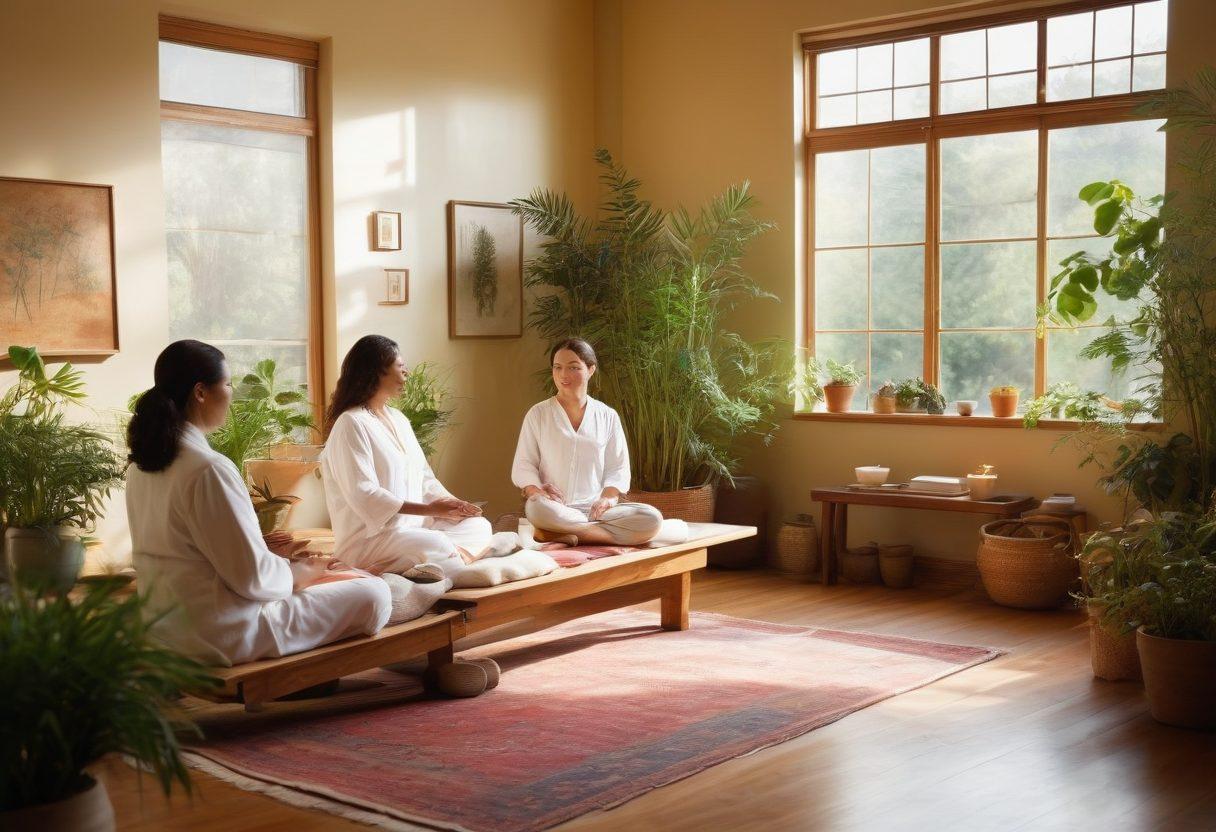
Yet, what about the mind and spirit? Holistic health is an often-overlooked aspect of cancer care that encourages us to view the patient as a whole person. Incorporating alternative therapies, such as meditation or yoga, can complement traditional treatment options. Many survivors find that support groups provide the emotional backbone they need, along with practical tips from those who have traveled similar roads. The truism, 'It takes a village,' has never rung truer than in the realm of cancer survivorship, where community connection can fuel the journey back to health.
Ultimately, the goal of cancer care is more than just defeating the illness; it is about seizing control over one’s life and health. It is about disease prevention through awareness and education, empowering patients to take charge and make informed decisions. As we unlock the secrets of oncology, remember: each story is uniquely woven with challenges and triumphs. What insights can you glean from this journey? How can you contribute to your own well-being in this ever-changing landscape? Engage, educate, and elevate your understanding of cancer care, for it may very well be the key to someone else’s journey as well.
From Illness to Empowerment: Strategies for Cancer Survivorship and Well-Being
The journey from illness to empowerment is a deeply personal and often transformative experience for many cancer survivors. Cancer care is not merely about treating the disease; it's about empowering individuals to reclaim their lives and prioritize their well-being amidst the challenges they face. In many ways, this journey mirrors the age-old question of how one can turn adversity into strength. Understanding the intricacies of oncology and the various treatment options available can serve as a beacon of hope. Let’s explore some strategies that can significantly enhance cancer survivorship and promote holistic health.
One of the most effective strategies for cancer survivorship lies in patient support and community engagement. Imagine walking into a room filled with individuals who share your experiences, struggles, and victories—these support groups can provide a sense of belonging and understanding that is often hard to find elsewhere. Additionally, participating in advocates for cancer awareness can amplify one's voice and create ripples of change in healthcare. As you connect with others, you build a reservoir of strength that can propel you forward on your path to recovery and well-being. Have you ever experienced a moment where simply sharing your story with someone else made a profound impact?
Healthcare professionals are continuously advancing medical research and the development of innovative therapies that hold the promise of enhancing the quality of life for cancer survivors. Engaging with clinical research not only opens doors to cutting-edge treatment options but also contributes to the broader fight against cancer. Through initiatives in disease prevention and screening, individuals can arm themselves with knowledge and resources to take proactive steps in their health journey. Are you aware of the latest findings in alternative therapies that could complement traditional methods? They can sometimes make all the difference.
The road to recovery is not limited to medical treatment alone; it often encompasses a holistic approach to health. Integrating alternative therapies such as yoga, meditation, or nutritional counseling can significantly boost well-being and enhance the body’s ability to heal. Palliative care extends beyond end-of-life scenarios and can be a crucial resource for managing symptoms and improving the quality of life throughout the treatment process. Have you explored the wealth of health resources available that can guide you in creating a personalized approach to your healing journey?
Ultimately, the transition from illness to empowerment is about finding your voice and advocating for your needs. It’s about making informed choices regarding treatment options and understanding the power of education in one’s recovery process. By taking charge of your journey and utilizing available support systems, including therapy and counseling, you can embrace the future with hope and determination. Remember, cancer survivorship is not just about surviving; it’s about thriving. What steps will you take today to empower your own wellness journey and contribute to cancer education and awareness in your community?
Holistic Health Approaches: Integrating Alternative Therapies and Patient Support in Cancer Care
When it comes to cancer care, the journey is often paved with complex decisions and emotional turbulence. Patients and their families may find themselves navigating a maze of oncology treatments and healthcare options, searching for the best mix of therapies that align with their well-being goals. In this empowering guide, we will delve into the world of holistic health approaches and how integrating alternative therapies and patient support can transform the landscape of cancer care. Are you ready to explore a path that nurtures not just the body, but the entire spirit?
Imagine standing at the crossroads of illness and recovery, armed with comprehensive health resources that provide clarity and direction. Holistic health truly embraces the mind-body connection, and understanding this can be vital during one's cancer journey. A patient may ask, 'How can I enhance my treatment plan?' The answer lies in recognizing the value of alternative therapies alongside conventional methods. Whether it's acupuncture to alleviate pain or meditation for stress relief, the options are extensive. This integration serves as a form of disease prevention, enhancing overall well-being and promoting resilience.
A powerful quote by physician and author Dr. Andrew Weil resonates here: 'Health is not just the absence of disease; it is a state of complete physical, mental, and social well-being.' This beautifully summarizes the essence of palliative care, which aims to improve quality of life for patients at every stage of their cancer treatment. By prioritizing patient support through initiatives like support groups or access to medical research, we create a community of shared experiences and collective healing. It’s astonishing how empowering knowledge and connection can transform fear into hope.
Clinical research in oncology is evolving, opening doors to innovative treatment options that were once beyond reach. As patients become more informed, they can advocate for themselves and explore diverse therapeutic avenues. Have you ever considered how a comprehensive cancer education can shape your decisions? With the right resources at your fingertips, patients can better understand the potential of alternative therapies—be it herbal remedies, yoga, or nutritional guidance. This large toolbox not only supports treatment but fosters a proactive stance in managing one’s health journey.
In conclusion, cancer survivorship is not merely about surviving a diagnosis; it's about flourishing afterwards. Embracing holistic health approaches can redefine what it means to thrive after cancer treatment. The idea may seem overwhelming, but taking small, actionable steps—like joining local support groups or immersing oneself in cancer awareness programs—can lead to monumental changes. After all, it's not just about the physical battle; it’s about nurturing the spirit. So, let's embark on this journey together, and remember, your health is your wealth.